
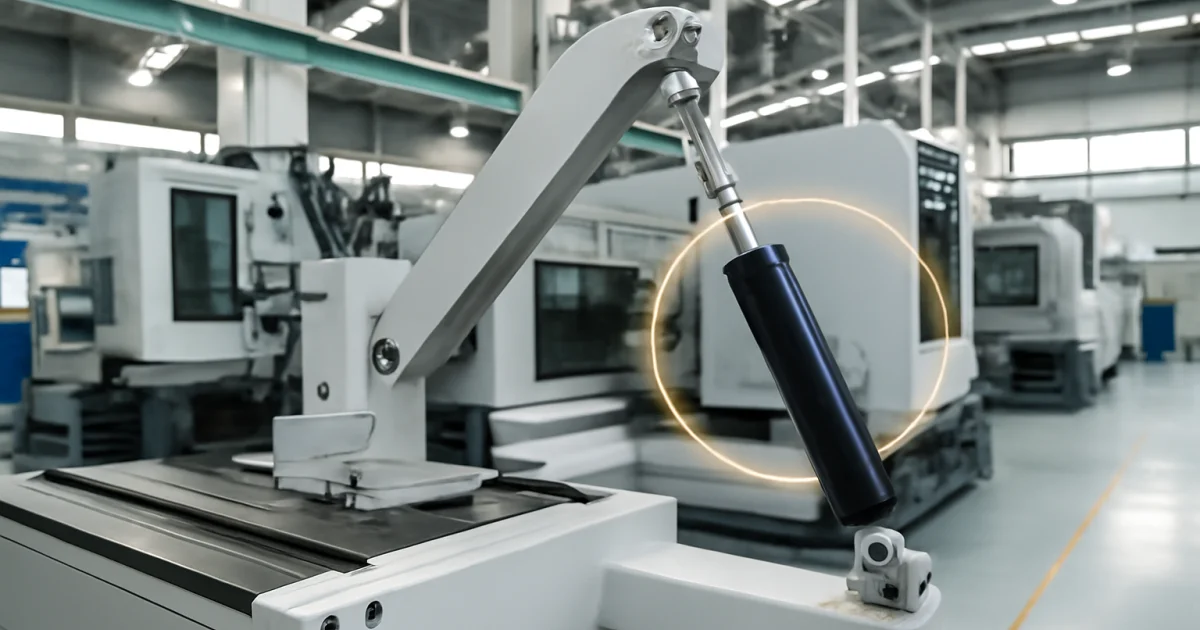
Industrial progress in Malaysia is powered by advanced machinery, automated lines, and precision equipment. Yet, behind every smooth machine operation lies a network of specialized components that often go unnoticed. Among these, gas spring dampers play a silent but pivotal role. In my professional view, and after years of close work with factories, equipment manufacturers, and integrators, I’m convinced that gas spring dampers are not just helpful—they are essential for the reliability, safety, and efficiency of modern industrial equipment in Malaysia. For readers comparing options, Gas Spring Damper Malaysia is the main topic this guide explains.
The Strategic Role of Gas Spring Dampers in Malaysian Industry
Every production environment—from electronics assembly to heavy manufacturing—demands equipment that is safe, reliable, and adaptable. Gas spring dampers, sometimes called gas struts or gas springs, deliver controlled motion, precise positioning, and effective load management. Their importance extends far beyond mere convenience: they are critical for safety, ergonomics, and long-term machinery health.
Malaysia’s manufacturing sector, facing rising expectations for quality and output, increasingly relies on these components. Whether in automotive plants, electronics factories, food processing, or packaging lines, gas spring dampers help ensure that machine doors, hatches, covers, and adjustable segments operate smoothly and safely.
Industry Examples and Sector-Wide Impact
Let’s look at specific industries to appreciate the broad significance of gas spring dampers:
- Automotive: Assembly lines rely on gas dampers for safe access to robotic cells and maintenance hatches. Their precise motion control prevents accidental slamming that can damage sensitive automation equipment.
- Electronics: In cleanrooms, gas springs are used in access doors and machine covers, supporting frequent opening and closing while maintaining a clean environment.
- Food & Beverage: Hygienic equipment with sealed covers uses dampers for smooth, safe access during cleaning or ingredient changes, helping meet strict safety standards.
- Packaging: Automated packaging lines use gas springs on adjustable guides and safety guards, enabling quick changeovers and reliable operation.
These examples illustrate that gas spring dampers are not limited to one type of machinery—they are adaptable, supporting a wide range of industrial processes across Malaysia.
How Gas Spring Dampers Work: A Brief Technical Overview
At their core, gas spring dampers are sealed cylinders filled with nitrogen gas and oil. When compressed or extended, they provide a predictable force—enabling effortless lifting, gentle lowering, and stable positioning. The damping function slows movement, prevents slamming, reduces wear, and enhances safety for both operators and equipment.
This ingenious combination of spring and damper action means gas springs can absorb shocks, adjust to load changes, and maintain steady motion even under frequent cycling. Their maintenance-free design and long service life make them an ideal fit for Malaysia’s demanding industrial environments.
Comparing Gas Spring Dampers to Alternative Solutions
While gas springs are popular, some facilities consider alternatives like mechanical springs or electric actuators. Each has its strengths, but gas spring dampers offer distinct advantages:
- Mechanical springs provide basic force but lack precise motion control and damping. They can cause abrupt movement, increasing safety risks.
- Electric actuators deliver programmable control but can be expensive, require complex wiring, and may not suit all environments (e.g., wet or explosive atmospheres).
- Gas spring dampers strike a balance: they are self-contained, require minimal maintenance, and offer smooth, controlled movement ideal for repetitive industrial use.
Choosing the right motion control solution depends on factors such as budget, application, and required precision. However, for most industrial access panels, covers, and adjustable elements, gas spring dampers are the preferred option due to their simplicity and reliability.
Key Benefits for Machinery & Equipment Manufacturers
For machinery and equipment manufacturers, the advantages of gas spring dampers are both practical and strategic:
- Enhanced Safety: Controlled motion prevents sudden drops or slamming of heavy panels, reducing accident risk.
- Precision Positioning: Adjustable force and integrated locking options allow precise movement and secure holding of machine elements.
- Long-Term Reliability: Quality gas spring dampers, such as those from Stabilus or HAHN Gasfedern, are engineered for durability even in high-cycle industrial use.
- Improved Ergonomics: Operators benefit from reduced physical strain, as gas springs counterbalance heavy loads.
- Space Efficiency: Compact design enables integration into tight machine spaces, supporting modular and modern equipment layouts.
For OEMs and system integrators in Malaysia, these benefits translate to higher-value products that meet international safety and performance standards.
Design Mistakes to Avoid When Integrating Gas Spring Dampers
Despite their advantages, improper integration can undermine the benefits of gas springs. Here are common mistakes and how to avoid them:
- Incorrect Sizing: Using a damper with inadequate force or stroke can lead to poor performance or safety hazards. Always calculate the required force based on load, leverage, and application angle.
- Poor Mounting Configuration: Misaligned mounting points cause uneven load distribution, leading to premature wear or failure. Work with suppliers to ensure optimal placement.
- Ignoring Environmental Factors: Exposure to high humidity, chemicals, or temperature extremes can degrade seals. Select models rated for your specific environment.
- Overlooking Maintenance Accessibility: While gas springs are low-maintenance, ensure they can be inspected or replaced without dismantling major equipment.
Consulting with experienced engineers or motion control specialists during the design phase prevents costly mistakes and maximizes the value of your investment.
Facility & Building Managers: Workplace Safety and User Experience
Gas spring dampers are not confined to production machinery. Facility and building managers across Malaysia use them in public spaces, offices, hotels, and healthcare facilities. Applications include:
- Automatic doors and access panels
- Adjustable furniture—like hospital beds, examination tables, and ergonomic workstations
- Hygienic equipment, such as touchless hand dryer covers or maintenance hatches
In these contexts, gas spring dampers improve user comfort, enhance accessibility for all ages and abilities, and provide a professional, safe environment for both staff and visitors.
Checklist for Facility Managers: Gas Spring Damping Applications
- Review all doors, hatches, and panels for controlled access needs
- Assess furniture and equipment requiring adjustable positioning
- Identify high-traffic areas where user safety and comfort are priorities
- Check for dampers with hygienic designs for healthcare or food-contact areas
- Schedule periodic checks for wear and correct operation
By proactively managing these areas, facility managers can extend equipment life and create safer, more comfortable environments for occupants.
Case Study: Gas Spring Dampers in Malaysian Manufacturing
Consider an electronics assembly plant in Penang. The facility operates high-speed pick-and-place machines with safety covers that must be opened regularly for setup and maintenance. By integrating Stabilus gas spring dampers, the company achieved:
- Safer access for technicians (no risk of heavy covers falling)
- Reduced machine downtime due to easier and faster maintenance
- Longer equipment life, as covers and hinges are protected from excessive force
This is just one of countless examples. Across Malaysia, gas spring solutions are quietly powering productivity in sectors from automotive to food & beverage, and from pharmaceuticals to precision engineering.
Additional Scenario: Retrofitting Legacy Equipment
Many Malaysian factories operate legacy machinery not originally designed for gas spring integration. Retrofitting these machines can:
- Bring older equipment up to modern safety standards
- Reduce operator fatigue and risk of injury
- Minimize unplanned downtime and extend machine lifespan
Retrofit projects require careful measurement and selection of compatible dampers, but the investment quickly pays off in improved performance and compliance.
Choosing the Right Gas Spring Damper: Expert Considerations
Not all gas springs are created equal. Selecting the right damper involves evaluating several factors:
- Force and Stroke: The required lifting force and range of motion must match the load and application.
- Mounting Configuration: Correct alignment and mounting points are critical for optimal operation.
- Operating Environment: Consider exposure to heat, humidity, chemicals, or vibration—especially relevant in Malaysia’s climate.
- Locking & Damping Features: Some applications require lockable or adjustable dampers for added safety and flexibility.
- Brand Reputation: Choosing established brands such as Stabilus or HAHN Gasfedern ensures product reliability and after-sales support.
Partnering with an experienced supplier like Eumation Sdn Bhd provides access to technical guidance, genuine products, and support for customized requirements.
Step-by-Step Selection Process
- Define the application and load characteristics (weight, frequency of use, required motion range)
- Measure available mounting space and determine optimal orientation
- Identify environmental conditions that might affect damper longevity
- Consult technical datasheets from reputable manufacturers
- Request samples or prototypes for critical applications, if possible
- Work with local experts to finalize specifications and ensure compliance with safety standards
This systematic approach reduces the risk of mismatches and helps maximize ROI on your investment in gas spring dampers.
Supporting Productivity and Innovation in Malaysian Factories
In my opinion, the true value of gas spring dampers lies in their ability to support Malaysia’s ongoing industrial transformation. As factories embrace automation, lean manufacturing, and Industry 4.0 initiatives, the demand for reliable motion control solutions grows. Gas spring dampers form a crucial foundation for these advancements by:
- Ensuring operator safety and compliance with international standards
- Enabling ergonomic workspaces that reduce injury risk and boost workforce satisfaction
- Protecting sensitive equipment from shock, vibration, and wear
- Supporting modular machine design and flexible production layouts
For those considering upgrades or new equipment investments, evaluating the role of motion control components—including gas springs—should be a priority. Learn more about why quality gas struts matter for safety and efficiency in Malaysian industries.
Innovation Trends: Smart and Adjustable Gas Springs
Recent innovations include smart dampers with adjustable force settings, remote control, and built-in sensors for predictive maintenance. These advanced solutions offer even greater flexibility and integration with Industry 4.0 systems, allowing real-time monitoring of equipment health and safer, more efficient operations.
Forward-thinking manufacturers should monitor these trends and consider phased upgrades as part of their long-term automation strategy.
Common Misconceptions about Gas Spring Dampers
Some facility managers or engineers may believe that gas spring dampers are a commodity, easily replaced by any available model. This is a misconception. Using low-quality or mismatched components can result in premature failure, safety hazards, and costly downtime. Genuine, engineered dampers from reputable suppliers provide peace of mind and ensure that the equipment performs as intended under Malaysian industrial conditions.
Another misconception is that these components require frequent maintenance. In reality, modern gas spring dampers are designed for longevity and minimal intervention, particularly when properly specified and installed.
Real-World Consequences of Misconceptions
- Safety Incidents: A mismatched or worn-out damper can cause uncontrolled movement, risking injury or equipment damage.
- Unexpected Downtime: Cheap or imitation dampers often fail prematurely, leading to unplanned production stops.
- Hidden Costs: The cost of replacing failed components, combined with lost productivity, often far exceeds the initial savings from inferior products.
Investing in quality from the start delivers measurable value and peace of mind.
Practical Advice for Implementation and Upgrades
For organizations planning new installations or retrofits, here are actionable steps:
- Consult Early: Involve a motion control specialist at the design stage to specify the optimal damper size, force, and features.
- Verify Compatibility: Check that the selected damper matches the load, mounting points, and operating environment.
- Insist on Genuine Products: Source only from authorized distributors to avoid imitation or outdated models.
- Train Maintenance Teams: Educating staff on proper handling and replacement procedures reduces risk and extends the lifespan of components.
- Integrate for the Future: Select solutions that support modularity and future automation upgrades.
Explore more about gas spring cylinder solutions for industrial needs and how the right choices impact operational reliability.
Implementation Checklist
- Document all motion control points requiring dampers
- Source technical datasheets and installation guides from trusted suppliers
- Develop a preventive maintenance plan for periodic inspection
- Keep a small inventory of critical replacement dampers for high-cycle equipment
- Provide refresher training for staff on safe removal and installation
This structured approach ensures smooth adoption with minimal disruption to ongoing operations.
Conclusion: The Indispensable Role of Gas Spring Dampers in Malaysia
In the evolving industrial landscape of Malaysia, gas spring dampers have moved from being a behind-the-scenes component to an essential element of equipment design, safety, and efficiency. Their ability to provide controlled, reliable motion underpins productivity in manufacturing, commercial facilities, and beyond.
As an expert with years of experience supporting Malaysian industries, my firm opinion is that investing in quality gas spring dampers is not optional—it is a necessity for organizations that value safety, operational excellence, and sustainable growth.
For those seeking tailored advice or high-performance solutions, Eumation Sdn Bhd stands ready to provide expertise and genuine products, helping Malaysia’s industries move forward—one damper at a time.
For further reading, discover how to choose between gas springs and electric actuators for specific applications, or see practical examples of how gas spring dampers power everyday industries.
Frequently Asked Questions
What is a gas spring damper and how does it work?
A gas spring damper is a mechanical device consisting of a sealed cylinder filled with nitrogen gas and oil. It provides controlled motion by exerting a consistent force during compression or extension, allowing for smooth lifting, lowering, and positioning of machine parts. The damping function absorbs shocks and slows movement, ensuring safety and protecting equipment from sudden impacts.
Why are gas spring dampers important for industrial equipment in Malaysia?
Gas spring dampers are essential in Malaysian industries because they enhance safety, improve ergonomics, and increase machinery lifespan. They prevent sudden drops or slamming of panels, allow precise positioning, and minimize maintenance needs, making them ideal for the country’s diverse manufacturing and facility management environments.
How do I choose the right gas spring damper for my application?
To select the right gas spring damper, consider factors such as required force and stroke, mounting configuration, operating environment, and any specific locking or damping features. Partnering with experienced suppliers like Eumation Sdn Bhd ensures you receive technical support and genuine products tailored to your application.
Are maintenance and replacement of gas spring dampers difficult?
Modern gas spring dampers are designed for durability and minimal maintenance. With proper specification and installation, they can last for thousands of cycles without attention. When replacement is needed, sourcing from authorized distributors and following manufacturer guidelines makes the process straightforward.
Can gas spring dampers be used in commercial buildings and facilities?
Yes, gas spring dampers are widely used in commercial buildings, hotels, hospitals, and offices in Malaysia. They support applications like automatic doors, adjustable furniture, and maintenance panels, improving user comfort, safety, and facility accessibility.
Upgrade Your Equipment with Reliable Gas Spring Dampers from Eumation Sdn Bhd
Ensure the safety, performance, and longevity of your industrial or facility equipment with high-quality gas spring dampers. Eumation Sdn Bhd supplies genuine Stabilus and HAHN Gasfedern dampers, backed by expert technical support and over 20 years of experience. Discover the difference that reliable motion control solutions can make for your Malaysian operations.