
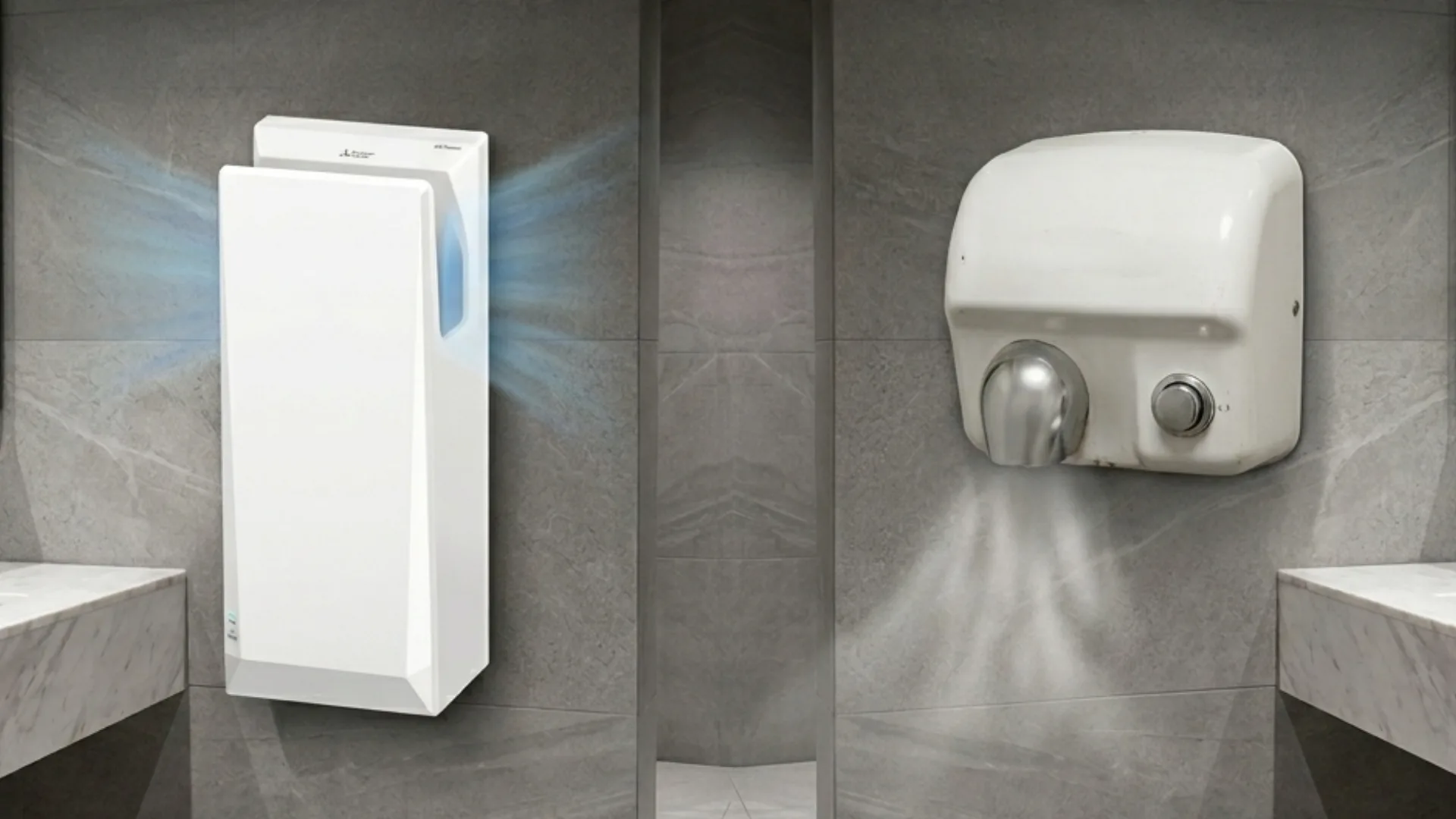
When it comes to workplace hygiene and commercial facilities management, the choice between a conventional hand dryer and a high speed hand dryer has become increasingly important. For businesses across Malaysia and Southeast Asia, understanding these differences isn’t just about compliance it’s about making smart investments that impact both operational costs and user satisfaction.
Conventional hand dryers have been the standard for decades, quietly serving restrooms with warm air and familiarity. However, high speed hand dryer represent a significant evolution in drying technology, offering faster drying times, improved hygiene outcomes, and reduced energy consumption. This shift has revolutionized how modern facilities approach restroom solutions.
The stakes are higher than you might think. Choosing the wrong hand dryer technology can result in prolonged drying times, increased energy bills, customer frustration, and potential hygiene concerns. Conversely, the right solution enhances user experience, reduces operational expenses, and demonstrates your commitment to modern facility standards.
In this comprehensive guide, we’ll explore the key differences between these two technologies, helping facility managers and business owners make informed decisions. Whether you’re upgrading an existing restroom setup or designing a new facility, understanding these distinctions will serve you well. For more detailed insights on advanced drying solutions and facility optimization, explore our complete drying systems guide.
How Does a Conventional Hand Dryer Work?
Traditional hand dryers have remained largely unchanged since their introduction in the 1950s. These devices operate on a straightforward principle: a heating element warms air, which is then circulated over wet hands through a simple motor and fan mechanism.
The Basic Technology:
Conventional hand dryers typically feature a low-velocity motor (around 40-60 mph air speed) combined with heating elements that warm the air to approximately 40-50°C. Users place their hands under the device, and the warm air gradually evaporates moisture from the skin surface. The process is gentle, reliable, and has proven its durability across countless commercial settings.
These systems generally require 30-45 seconds of hand-drying time, though many users find themselves keeping their hands under the dryer for longer periods to ensure complete dryness. In busy restrooms, this extended duration creates queues and user frustration.
Key Characteristics of Conventional Dryers:
- Slow air velocity (40-60 mph)
- Heating-dependent technology
- Longer drying times (30-45+ seconds)
- Lower initial purchase cost
- Higher long-term energy consumption
- Quieter operation (around 75-80 decibels)
- Established reliability in various climates
In Malaysia’s tropical climate, conventional dryers face particular challenges. High humidity levels in the environment can slow evaporation rates even further, extending drying times beyond their standard specifications. This makes them less than ideal for facilities operating in warm, humid conditions.
What Makes a High Speed Hand Dryer Different?
High speed hand dryer represent a technological leap forward in restroom solutions. Rather than relying primarily on heat and gentle air circulation, these systems harness powerful air velocity combined with advanced motor technology to achieve rapid moisture removal.
The most notable innovation is the air speed, modern high speed hand dryer operate at velocities between 100-190 mph, creating an intense air stream that mechanically removes water droplets from the skin surface. This approach is fundamentally different from conventional dryers, as it prioritizes velocity over heat.
How High Speed Dryer Achieve Superior Performance:
High speed hand dryer utilize brushless direct current (DC) motors, which are significantly more efficient than traditional AC motors found in conventional dryers. These advanced motors can generate greater air velocity while consuming less power. Many models also incorporate intelligent sensors and automatic shut-off features that optimize energy usage.
The drying mechanism works through a combination of factors:
- High-velocity air mechanically removes water molecules
- Targeted nozzles concentrate airflow precisely on hands
- Lower heat requirements reduce energy consumption
- Faster evaporation due to increased air movement
- Automatic operation reduces unnecessary running time
Most high speed hand dryer complete the drying process in just 8-15 seconds, a dramatic improvement over conventional technology. In Malaysia’s busy commercial centers, shopping malls, and office buildings, this efficiency translates directly into improved user satisfaction and reduced facility management headaches.
High Speed Hand Dryer vs Conventional: Performance & Efficiency Compared
The differences between conventional and high speed hand dryer extend far beyond simple drying time. A comprehensive comparison reveals important distinctions in several critical areas.
Drying Time and High Speed Hand Dryer User Experience:
This is perhaps the most obvious difference. While conventional dryers take 30-45 seconds, high speed alternatives complete drying in 8-15 seconds. This 75% reduction in time creates a noticeably better user experience, particularly in high-traffic facilities where restroom congestion becomes problematic.
Energy Consumption and High Speed Hand Dryer Operating Costs:
Despite their more powerful appearance, high speed hand dryers are remarkably efficient. Here’s why: conventional dryers run continuously while someone’s hands are beneath them, generating and sustaining heat for an extended period. High speed dryers, conversely, complete their task quickly, minimizing overall runtime and energy expenditure.
A typical conventional hand dryer consumes approximately 1200-1400 watts while operating. A high speed dryer typically uses 800-1200 watts but operates for one-third the duration. Annual energy costs for a conventionally-equipped restroom can reach RM 4,500-6,750, while a high speed installation might cost RM 1,350-2,250, a savings of 60-70%.
Hygiene and Safety Considerations:
High speed hand dryers offer superior hygiene benefits that shouldn’t be overlooked. The rapid air velocity creates an environment less favorable for bacterial growth and cross-contamination. Additionally, because users aren’t holding their hands under a device for an extended period, there’s less contact time with a surface that might harbor pathogens.
Conventional dryers, by contrast, have been subject to studies showing that extended operation and the enclosed nozzles can harbor bacteria. While regular cleaning mitigates this risk, the design itself is less inherently hygienic than high-velocity alternatives.
| Feature | Conventional | High Speed |
| Drying Time | 30-45 seconds | 8-15 seconds |
| Air Velocity | 40-60 mph | 100-190 mph |
| Energy Use | 1200-1400W | 800-1200W |
| Annual Cost | RM 4,500-6,750 | RM 1,350-2,250 |
| Noise Level | 75-80 dB | 75-85 dB |
| Initial Cost | Lower | Higher |
| Hygiene Rating | Moderate | Excellent |
| Lifespan | 8-10 years | 8-12 years |
For facilities seeking modern, efficient solutions, the advantages of high speed technology become increasingly compelling. Organizations focused on sustainability and operational efficiency are transitioning toward these systems. To explore advanced facility solutions and component options, visit our comprehensive products and systems resource.
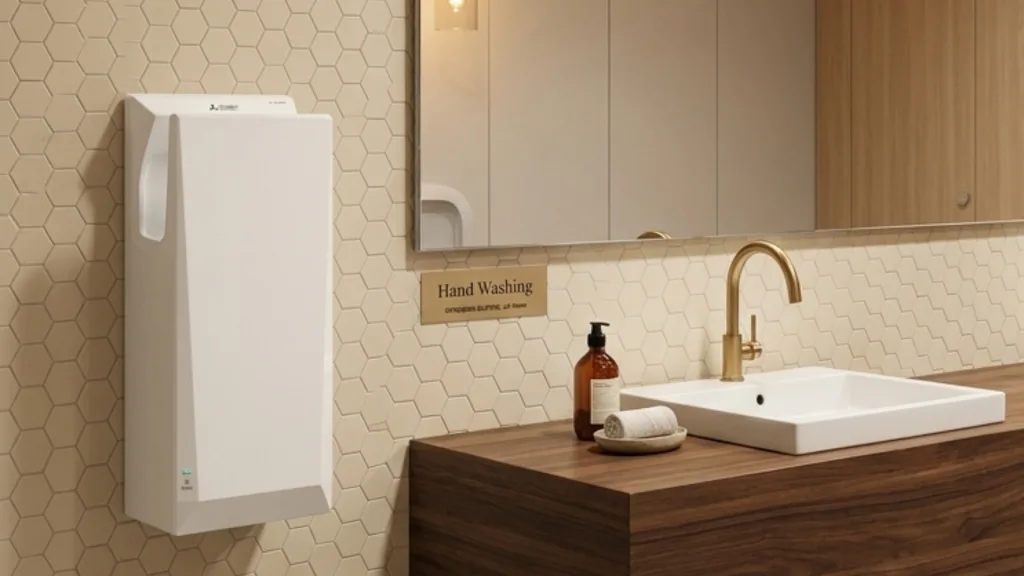
Why Malaysian Facilities Need a High Speed Hand Dryer
Malaysia’s business environment presents unique considerations when selecting hand dryer technology. The tropical climate, combined with high facility usage in urban centers like Kuala Lumpur, Penang, and Johor Bahru, makes the choice between conventional and high speed hand dryers particularly significant.
Climate Considerations:
Malaysia’s year-round humidity (typically 80-90%) presents challenges for conventional hand dryers. High ambient moisture in the air slows evaporation rates, extending drying times beyond manufacturers’ specifications. High speed hand dryers overcome this limitation through mechanical air removal, which is less dependent on environmental conditions.
In shopping malls, hotels, and office towers across Malaysia, restroom traffic during peak hours (lunch breaks, prayer times) can create bottlenecks with conventional systems. High speed dryers reduce these wait times significantly, improving the overall facility experience for guests and employees.
Cost-Benefit Analysis for Malaysian Businesses:
Electricity costs in Malaysia (averaging RM 0.35-0.45 per kilowatt-hour) make energy efficiency a meaningful consideration. The 60-70% reduction in energy consumption offered by high speed dryers translates into substantial savings over a device’s operational lifespan.
For a medium-sized office building with 10 restrooms, switching from conventional to high speed hand dryers could save RM 50,000-70,000 in electricity costs over a 10-year period—before accounting for reduced maintenance and improved employee satisfaction.
Implementation Best Practices:
When upgrading to high speed hand dryers, consider a phased approach:
- Begin with high-traffic areas (main restrooms, client-facing facilities)
- Monitor energy consumption and user feedback during the transition period
- Ensure proper installation and electrical infrastructure compatibility
- Train facility staff on maintenance and sensor adjustment
- Establish regular cleaning schedules, even with superior hygiene design
Choosing the Right High Speed Hand Dryer for Your Facility
Selecting between conventional and high speed hand dryers requires evaluating your specific operational needs, budget constraints, and long-term facility vision.
Choose Conventional Hand Dryers If:
- Operating under strict capital budget constraints with limited flexibility
- Facility traffic is light, with extended periods between user visits
- Infrastructure upgrades aren’t feasible in the immediate term
- Your facility operates in a dry climate with low humidity levels
- You prioritize the lowest upfront purchase cost
Choose High Speed Hand Dryers If:
- Reducing long-term operational costs is a priority
- Your facility experiences heavy restroom traffic
- Energy efficiency and sustainability align with corporate values
- You operate in Malaysia’s tropical or humid environments
- User satisfaction and facility modernization are important considerations
- Environmental impact reduction is part of your sustainability strategy
The high speed hand dryer represents the evolution of restroom hygiene and facility management technology. While the initial investment is higher, the operational savings, improved user experience, and reduced environmental footprint justify the upgrade for most commercial facilities.
For comprehensive guidance on facility solutions, modern drying systems, and component specifications, consult with experienced providers who understand Malaysia’s unique operational environment. Our detailed solutions and systems guide offers in-depth information on advanced facility technologies and implementation strategies.
Conclusion
The difference between conventional hand dryers and high speed hand dryers extends well beyond simple drying speed. High speed hand dryer technology offers superior efficiency, reduced operational costs, improved hygiene, and enhanced user experience advantages that increasingly define modern facility management standards.
For Malaysian businesses, facility managers, and property owners, the transition toward high speed technology represents a smart investment. The tropical climate’s humidity challenges, combined with high facility usage in urban commercial spaces, make these systems particularly valuable in the local context.
While conventional dryers have served adequately for decades, the technological advancement represented by high speed alternatives is too significant to ignore. Energy savings of 60-70%, drying time reductions of 75%, and measurable improvements in hygiene and user satisfaction create a compelling case for modernization.
As you evaluate your facility’s restroom solutions, consider both your immediate budget constraints and long-term operational goals. In most cases, high speed hand dryers emerge as the superior choice, offering better value over a device’s complete operational lifespan.
Ready to upgrade your facility with modern, efficient drying solutions? Visit our comprehensive systems and solutions page to explore advanced options and speak with experts who understand Malaysia’s unique facility management needs. For more information on facility optimization and product solutions, visit Eumation.
Take the next step toward more efficient, hygienic, and user-friendly restroom facilities today.